
Every home renovation project starts with a seed of frustration about how your home currently functions.
The morning scramble in a cramped kitchen, the awkward flow as life spills from room to room, or a layout that no longer suits the rhythm and cadences of your lifestyle.
A design brief helps you articulate those frictions and goals, transforming 'problems' into a structured plan. It’s the best way to ensure your first meeting with a designer is productive – providing a clear pathway toward a home that finally works for you, not against you.
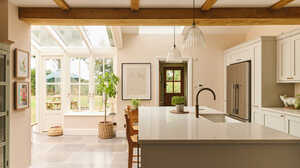
Start with the problems you want to solve
Everyday frustrations often point to the right priorities
An effective design brief usually begins with the practical problems you are trying to solve.
That might be a lack of dining space, poor connection to the garden, an underused loft, a dark kitchen, or children sharing rooms that no longer suit them. Jotting these issues down helps separate the project from vague, nebulous inspiration and anchors it in your daily life.
It’s the part of the brief that should be honest and specific. Instead of saying you want “more space”, explain where the current house is falling short. You may need room to cook while keeping an eye on children, better storage for everyday clutter, a home office that closes off at the end of the day, or an extra bedroom for guests or a growing family. Such details help shape the design from the start and give the designer something clear to respond to.
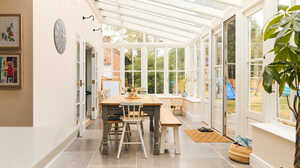
Think about how you live now and how you will live later
Daily routines and future plans help shape the layout
The most effective design briefs describe how the home functions from morning to evening and how that may evolve over the coming years.
Importantly, a home project should support your lifestyle – so, consider movement through the house, privacy, noise, storage, natural light, and how different rooms need to work together.
It’s also helpful to think ahead.
A loft conversion that serves as a guest room now might need to become a teenager’s bedroom later. An extension designed around family meals could also require space for a home office.
If you anticipate your needs changing, include that in the brief. Future-proofing adds resilience to the design and can help prevent short-term choices that may feel limiting later.
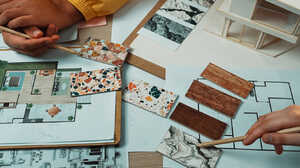
Set priorities before you start talking about aesthetics
Clear priorities make early design conversations far easier
Many homeowners begin with Pinterest boards, saved Instagram posts or images from renovation accounts, and those references can be useful. Still, style is only one part of the brief. Before getting too deep into appearance, it helps to decide what the project absolutely needs to achieve.
Try separating your thoughts into three simple categories: essentials, preferences and extras.
Essentials are the things the design must deliver, such as an extra bedroom, better storage, or improved access to the garden.
Preferences might include a kitchen island, larger glazing or a utility room. Extras are the ideas you would love to include if space and budget allow. This gives the design process a clearer structure and helps avoid disappointment if every idea cannot be included at once.
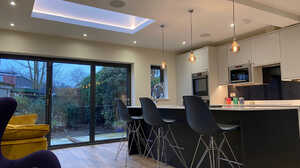
Be open about your budget from the start
A realistic range gives the design team something useful to work with
Budget is one of the most important parts of any design brief, yet it is often left until too late. You do not need to know the exact build cost before speaking to a designer, but it is helpful to share a realistic range and be clear about where you have flexibility.
This helps shape the design at an early stage and keeps the conversation grounded in what is achievable.
A brief without a budget context can lead to layouts or ideas that are difficult to deliver within your means. A brief with a clear range allows the design team to suggest practical solutions, sensible priorities and the right route for the project.
It also helps identify where a reworked layout or loft conversion could offer better value than a larger extension.
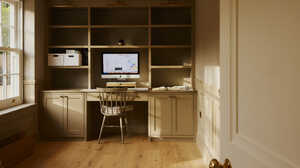
Bring examples, but be specific about what you like about them
Reference images work best when they come with context
Visual references can be helpful, especially when you are trying to describe a style or atmosphere. The key is to explain what you are responding to in each image.
It might be the amount of daylight, the layout, the cabinetry, the feeling of openness, or the way materials are used. That gives the designer something more specific than a collection of screenshots.
It is also worth sharing what you don’t like. If you want a calm, simple kitchen rather than something busy and high contrast, say so. If you prefer traditional proportions but more contemporary interiors, include that too. Clear guidance helps the early design stage move forward with less guesswork.

Include the practical details that affect the design
Useful briefs cover the everyday realities of the house
Some of the most valuable information in a design brief is simple and practical. Mention the rooms that feel too small, the spaces that collect clutter, the parts of the house that are cold or dark, and any access issues that affect day-to-day life.
Note if you need better utility space, bike storage, room for coats and shoes, or a place where children can do homework without taking over the kitchen table.
It is also helpful to mention any known constraints. That could include a tight budget, concerns about planning applications, party wall issues, difficult neighbours, or a wish to stay in the house during the build. Such details help frame the project realistically and give the designer a clearer picture from the outset.
A simple checklist for your first meeting
Before your first meeting, aim to write down the rooms causing the most frustration, the problem you want the project to solve, how many people use the house each day, the storage pressures you deal with, your rough budget range, any style references you like, and any future changes you need to plan for.
A clear design brief helps turn scattered ideas into practical priorities and gives the first conversation real direction. If you are thinking about improving your home and want help shaping the brief, Maidenhead Planning can guide you through the early design and space planning stage with clear advice and a straightforward process.
Posted by Wouter De Jager on March 31st 2026
 Updating page...