
Rethinking how your home works
When a living space feels tight, it’s tempting to start looking for pastures new. But before you think about moving, it’s worth exploring how smart architectural design can make your current home work harder. Indeed, small homes have more potential than you might think.
The right layout, careful planning, and practical storage can create space where you didn’t realise it existed.
Start with the flow of your rooms
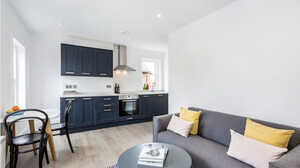
A good layout doesn’t waste space. It considers how people move between rooms, where light comes in, and how each area supports day-to-day living. In smaller homes, an awkward room layout is often the biggest issue – not a lack of square footage.
Opening up walls, adjusting the position of doors, or combining rooms can improve circulation and create a more open feel. Kitchen-diner conversions, as one example, are an effective way to make a space more sociable and practical without needing an extension.
We often start design conversations with questions like:
• Which rooms feel too busy or underused?
• How do you want to use the space day-to-day?
• Where are the pinch points in your home?
Once we understand how you live, we can design layouts that feel calm, uncluttered, and natural to use.
Built-in storage that blends with the home
Storage is essential in a small home, but freestanding units can eat into the very space you’re trying to save. Built-in solutions offer a better alternative.
By designing storage into walls, under stairs, or into awkward corners, you can keep everyday items out of sight while preserving floor space. In living rooms and bedrooms, fitted wardrobes and shelving can follow the lines of the room and create a pleasing sense of order.

Using light and views to open up the space
Homes feel bigger when they feel brighter. A small space that’s full of daylight, with views that draw the eye outward, can feel significantly larger than its square footage suggests.
We think carefully about the position of windows, how light moves through a space, and how materials affect brightness. In some cases, skylights or internal glazing panels can help light travel between rooms. Replacing bulky back doors with slim-framed sliding or bifold doors can also enhance the sense of space.
When is an extension the answer?
We’re often asked whether a side return, rear extension or loft conversion will solve a space issue. In many homes, a carefully considered internal redesign can unlock surprising amounts of space, so we begin by looking at how your existing rooms work together and where layout changes might improve things.
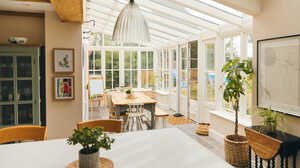
When the current footprint has been pushed as far as it can go, an extension can be an excellent way to create additional floor area, better connections to the garden and new rooms that suit your lifestyle. We’ll talk you through the options – from single-storey extensions to loft conversions – and explain what is likely to be achievable under permitted development or full planning. Our role is to help you choose the right approach for your home, with clear, realistic guidance on design, approvals and the next steps for your project.
Talk to us about transforming your space
If your home feels cramped or cluttered, a fresh design might be all it needs. At Maidenhead Planning, we bring together architectural design and planning advice to help homeowners create better spaces to live in.
Every project starts with a free video consultation. We’ll talk through your goals, assess your space, and help you see what’s possible – without pressure or obligation.
Posted by Wouter De Jager on November 30th 2025
 Updating page...