
One of the first decisions in any renovation or extension project is the design direction.
Some homeowners are drawn to crisp contemporary lines, large areas of glazing and open interiors – while others might prefer an aesthetic that feels firmly rooted in the age and character of the existing property.
Both approaches have their merits – ultimately, it comes down to the property, the surroundings and how you intend to use the space.

What traditional design can bring to a project
A sympathetic approach can improve a home without losing its identity
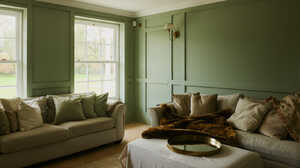
Traditional design is naturally suited to homes with established architectural character. From Victorian terraces and Edwardian houses to cottages or properties in streets where the buildings are unified by a clear visual language. The character of such settings is built on shared details – from roof shapes and window proportions to brick tones and boundary treatments.
A traditional aesthetic can give an extension or renovation a cohesive relationship with the original building, achieved by understanding what gives the house its presence. Then, using that as a foundation for the project.
In conservation areas, heritage settings, and visually consistent residential roads, careful choices in form, scale, and materials are often required. A design with a strong sense of place typically has a firmer footing from the start.
The benefits of choosing contemporary design
Modern forms can bring light, clarity and a stronger layout
For homeowners looking for an open, light-filled living space, contemporary design is a perfect fit. A rear extension with a modern, minimalist form is especially effective – using expansive glazing to improve the quality of the interior while strengthening the relationship with the outdoors.
It’s an approach that can suit houses that have already been altered over time, homes with fewer defining characteristics at the back, or properties where a modern addition can sit comfortably alongside the original structure. Clean lines, restrained material palettes and carefully positioned glazing can all combine to create a beautifully elegant finish.
Contemporary design also gives more flexibility in how space is organised. Kitchen, dining and living areas can be brought together in a way that supports modern family life, home office spaces and entertaining. At Maidenhead Planning, design and space planning play a central role in shaping such layouts, where the home is as functional as it is visually striking.
A blended design direction for family homes
External character and internal flow can work together
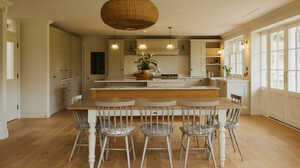
For many homeowners, the most appealing solution sits somewhere between the two ends of the spectrum. A house can retain a familiar external appearance while gaining a more open, modern internal layout. It’s an approach that often works well for rear extensions, remodelled ground floors and family homes that need better flow without losing their sense of character.
You may wish to choose materials that mirror the original building – but combine them with expansive glazing and a more open internal flow. By stripping back some of the traditional details – the final design achieves a look that is both fresh and perfectly coherent.

Planning, maintenance and build quality all shape the outcome
A well-judged project takes the wider picture into account
A design direction should always be tested against the practicalities of the project itself; from planning and build cost to materials, detailing, and long-term maintenance.
Indeed, some contemporary details require very accurate execution on site, while other traditional features might involve specialist materials or labour that affect cost and programme. Such points are easier to manage when considered at the briefing stage, rather than later, when drawings are already well developed.
This is also where accurate surveys and measured information add real value. Maidenhead Planning uses detailed measured surveys and 3D drawing tools to build a clearer understanding of the property from the start. That helps reveal wall thicknesses, awkward junctions and other intricacies that can influence design decisions. The result is usually greater accuracy, stronger visualisation and fewer avoidable issues later in the process.
Choosing a direction with confidence
Contemporary and traditional design each have real strengths. The right choice is the one that suits the house, supports your daily life and fits comfortably within its setting.
If you are planning an extension or renovation to your home, Maidenhead Planning can help you shape a design direction that fits with your needs. Book a free consultation to discuss your project with the team.
Posted by Wouter De Jager on April 28th 2026
 Updating page...